Présentation
Laboratoire mobilisé
Journée Portes Ouvertes du Laboratoire - Concours CNRS
Jeudi 02 Décembre 2021 10:00 - 16:00
LESC
21 allée de l'université, Nanterre
Le Laboratoire d'ethnologie et de sociologie comparative (Lesc-UMR7186) accueillera dans ses locaux les candidates et les candidats au concours CNRS qui souhaiteraient le rejoindre. Nous invitons en conséquence celles et ceux qui désireraient inscrire le Lesc parmi leurs vœux d'affectation de bien vouloir faire parvenir leur CV, rapport d'activité et projet de recherche (même s'ils ne sont pas finalisés) au plus tard le lundi 29 novembre 2021 à ces deux adresses : This email address is being protected from spambots. You need JavaScript enabled to view it. et This email address is being protected from spambots. You need JavaScript enabled to view it..
Recherche
Activités scientifiques
1 item par série + 1 item par événement
Reprend le module agenda en mode liste
Séminaires
Colloques et journées d'étude
Between Speech and Song : Liminal Utterances
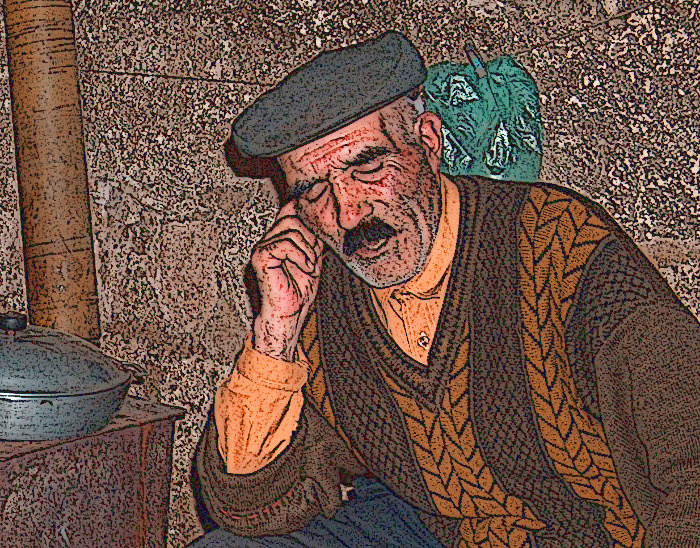 23rd ICTM colloquium — organized by the CREM
20-22 May 2015 — Salle du conseil, B Building, Nanterre University
Between speech and song: multimedia presentations
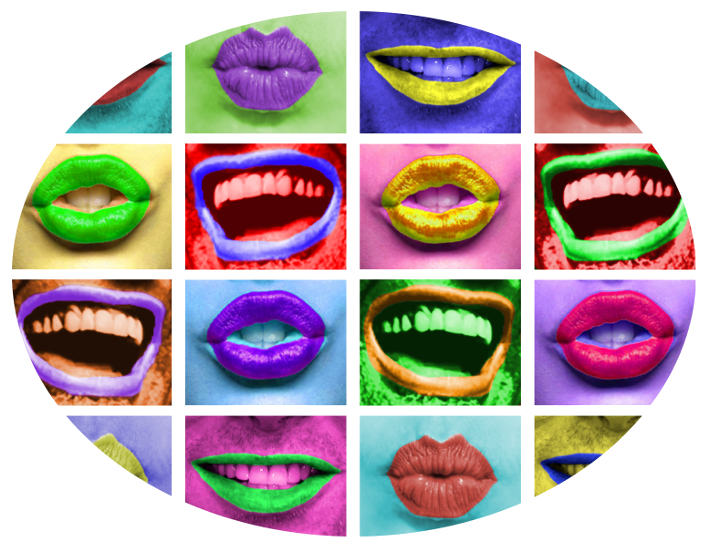 The intention of this colloquium on Liminal utterances is to discuss "hands on", with as many audio and video examples as possible. The Multimedia Presentations are an experiment in that direction. Presenters were invited to combine audiovisual data and analysis in order to produce a (more-or-less) self-standing video file containing an argument or simply raising questions about the illustrated sound practices. These files are available below. They will also be played during the conference, where each of them will be followed by extensive discussion sessions with their authors.
Click on an image below to start a presentation (HTML5 video).
Worship Sound Spaces
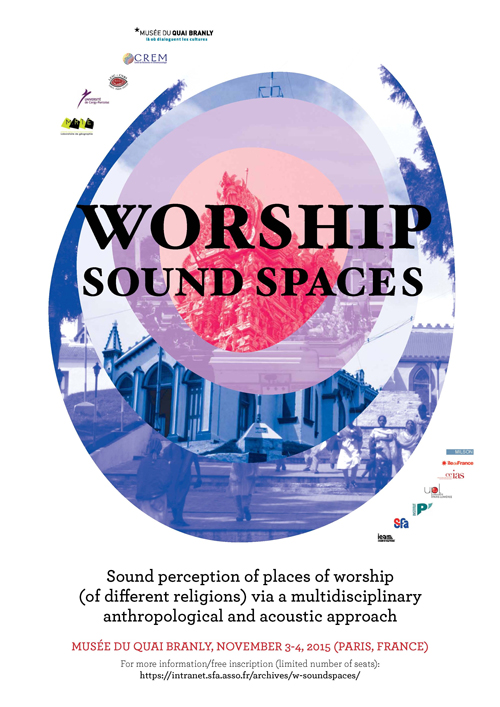
International workshop, 3-4 November 2015,
Musée du quai Branly, Salle de cinéma
Daoconf Paris 2017 : Creativity and Diversity
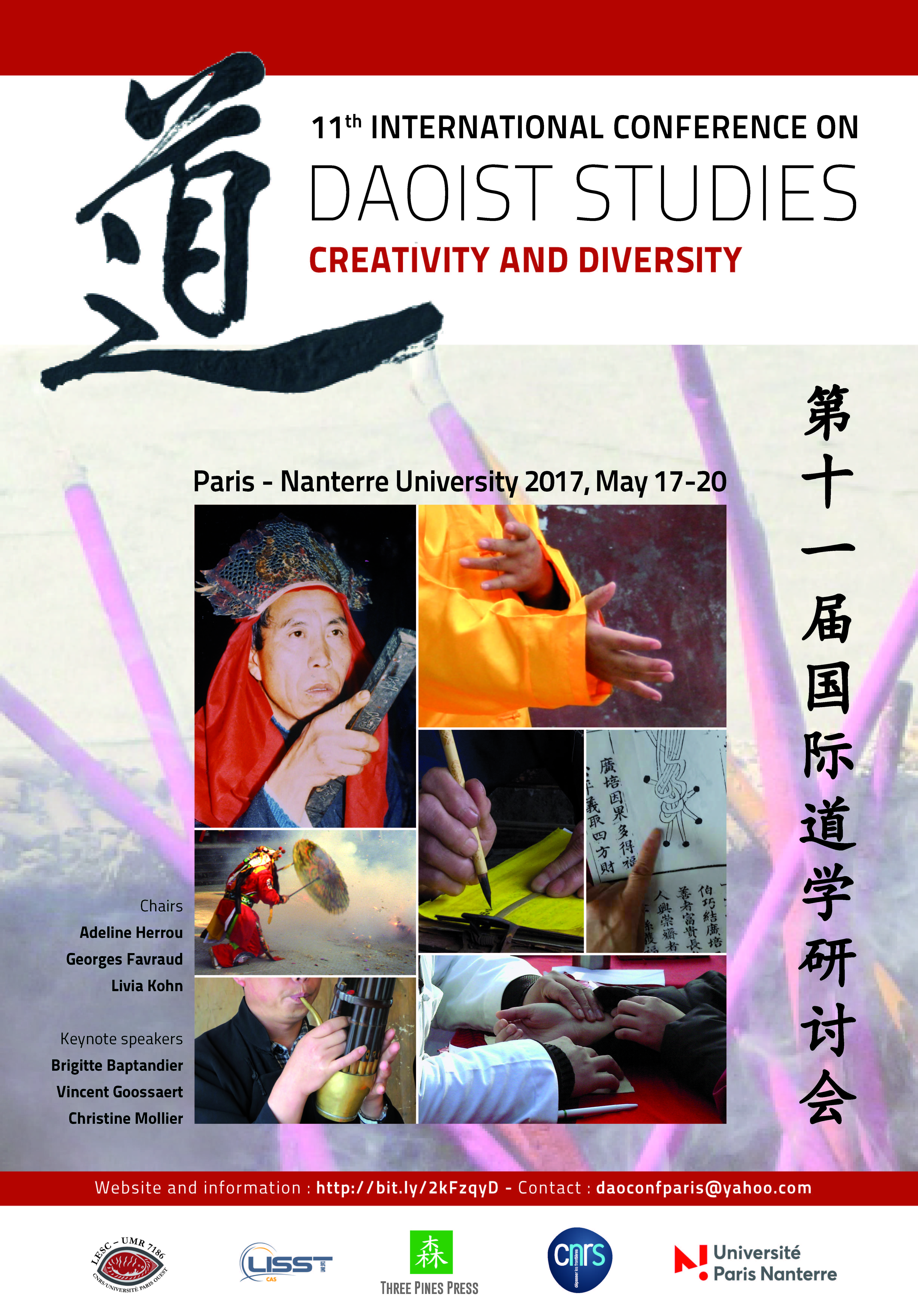 Creativity and Diversity – 11th International Conference on Daoist Studies,
Paris Nanterre University, May 17-20, 2017
Productions
Research areas 2020-2024
The four priority lines of research have been collectively constructed from many different meetings and experiences on field sites that members of the unit have been surveying for years using various combinations of methodologies and disciplines. They are based on research that has been conducted within the laboratory for a long time, but are structured by more recent concerns and problems, having earned a central place within the unit in recent years. Designed to serve as spaces that unite researchers around focused dialogues, the lines of research offer a network of questions and issues that are autonomous but furnished with bridges that researchers—who will contribute to one or several lines—will have time to cross.
These lines were developed based on broad theoretical concerns, and will link two major problems: first, forms of action and experience, involving either people or groups, generally explored in relational spaces suffused with doubts, confrontations and uncertainties; second, time and temporality, whether it be a matter of considering the moment, the contemporary, the actualisation of the past or projection into the future. In other words, it will be a matter of considering multiple regimes of connection between forms of experience and temporalities.
The laboratory’s scientific plan can be viewed here (in french) : projet scientifique (2020-2024).pdf
Research areas 2025-
Collectively developed, the four research areas that structure the Lesc’s scientific project (2025-2030), are based on heterogeneous field experiences and research, conducted using a range of approaches. The challenge is to renew the comparative endeavor, as much in terms of disciplinary (sub)fields as in terms of methods and cultural areas.
The laboratory aims to be a space for experimentation with the epistemologies of field inquiry and forms of writing, as well as with modes of circulating knowledge. One of the unique features of work carried out in each of the four areas is to reflect on the phenomena of hybridization that result from the encounter between anthropology and other professional spheres, through collaborative apparatuses and devices, based on dialogue between sciences, arts, engineering, and information technology; and more broadly, from the encounter between anthropology and its publics. These ambitions are underpinned by a long-standing concern at the Lesc for archives. Archives are not only “field sites” and “sources,” “mediums” and “tools” for mediating knowledge; they are also crucibles of political issues concerning heritage preservation and restitution. They are at the heart of reflection on document conservation, work on the “data” of research, and the digital humanities.
These cross-cutting issues surrounding new modes of investigation, analysis, writing, and archiving are accompanied by strategies for restitution, co-construction, and knowledge sharing. The Lesc is thus committed to promoting the critical role of anthropological thought in addressing transformations in the world.The laboratory’s scientific plan can be viewed here (in french) : projet scientifique 2025