BEGIN:VCALENDAR
VERSION:2.0
PRODID:-//jEvents 2.0 for Joomla//EN
CALSCALE:GREGORIAN
METHOD:PUBLISH
BEGIN:VTIMEZONE
TZID:Europe/Paris
BEGIN:STANDARD
DTSTART:20201025T020000
RDATE:20210328T030000
TZOFFSETFROM:+0200
TZOFFSETTO:+0100
TZNAME:Europe/Paris CET
END:STANDARD
BEGIN:STANDARD
DTSTART:20211031T020000
RDATE:20220327T030000
TZOFFSETFROM:+0200
TZOFFSETTO:+0100
TZNAME:Europe/Paris CET
END:STANDARD
BEGIN:STANDARD
DTSTART:20221030T020000
RDATE:20230326T030000
TZOFFSETFROM:+0200
TZOFFSETTO:+0100
TZNAME:Europe/Paris CET
END:STANDARD
BEGIN:STANDARD
DTSTART:20231029T020000
RDATE:20240331T030000
TZOFFSETFROM:+0200
TZOFFSETTO:+0100
TZNAME:Europe/Paris CET
END:STANDARD
BEGIN:STANDARD
DTSTART:20241027T020000
RDATE:20250330T030000
TZOFFSETFROM:+0200
TZOFFSETTO:+0100
TZNAME:Europe/Paris CET
END:STANDARD
BEGIN:STANDARD
DTSTART:20251026T020000
RDATE:20260329T030000
TZOFFSETFROM:+0200
TZOFFSETTO:+0100
TZNAME:Europe/Paris CET
END:STANDARD
BEGIN:STANDARD
DTSTART:20261025T020000
RDATE:20270328T030000
TZOFFSETFROM:+0200
TZOFFSETTO:+0100
TZNAME:Europe/Paris CET
END:STANDARD
BEGIN:STANDARD
DTSTART:20271031T020000
RDATE:20280326T030000
TZOFFSETFROM:+0200
TZOFFSETTO:+0100
TZNAME:Europe/Paris CET
END:STANDARD
BEGIN:DAYLIGHT
DTSTART:20201014T153000
RDATE:20201025T020000
TZOFFSETFROM:+0100
TZOFFSETTO:+0200
TZNAME:Europe/Paris CEST
END:DAYLIGHT
BEGIN:DAYLIGHT
DTSTART:20210328T030000
RDATE:20211031T020000
TZOFFSETFROM:+0100
TZOFFSETTO:+0200
TZNAME:Europe/Paris CEST
END:DAYLIGHT
BEGIN:DAYLIGHT
DTSTART:20220327T030000
RDATE:20221030T020000
TZOFFSETFROM:+0100
TZOFFSETTO:+0200
TZNAME:Europe/Paris CEST
END:DAYLIGHT
BEGIN:DAYLIGHT
DTSTART:20230326T030000
RDATE:20231029T020000
TZOFFSETFROM:+0100
TZOFFSETTO:+0200
TZNAME:Europe/Paris CEST
END:DAYLIGHT
BEGIN:DAYLIGHT
DTSTART:20240331T030000
RDATE:20241027T020000
TZOFFSETFROM:+0100
TZOFFSETTO:+0200
TZNAME:Europe/Paris CEST
END:DAYLIGHT
BEGIN:DAYLIGHT
DTSTART:20250330T030000
RDATE:20251026T020000
TZOFFSETFROM:+0100
TZOFFSETTO:+0200
TZNAME:Europe/Paris CEST
END:DAYLIGHT
BEGIN:DAYLIGHT
DTSTART:20260329T030000
RDATE:20261025T020000
TZOFFSETFROM:+0100
TZOFFSETTO:+0200
TZNAME:Europe/Paris CEST
END:DAYLIGHT
BEGIN:DAYLIGHT
DTSTART:20270328T030000
RDATE:20271031T020000
TZOFFSETFROM:+0100
TZOFFSETTO:+0200
TZNAME:Europe/Paris CEST
END:DAYLIGHT
END:VTIMEZONE
BEGIN:VEVENT
UID:b69dd94f34cecb57695b0c21619201cf
CATEGORIES:Séminaire de l'EREA, EREA
CREATED:20210715T164301
SUMMARY:Ontologies of Climate Change and Leadership among the Makushi, James Andrew Whitaker (CNRS, LEEISA)
LOCATION:Lesc – salle 308F (3e étage) - 21\, allée de l’Université\, Nanterre\, \, 9
2000\, France
DESCRIPTION: Based on recently completed fieldwork,
this paper examines local perceptions and ontologies of climate change amo
ng the Makushi in Yupukari village in the Rupununi region of Guyana. This y
ear has seen unprecedented flooding of farms in Yupukari, which has severel
y disrupted cassava-based agriculture and is attributed by many to climate
change. In addition to flooding, villagers also speak of changes in tempera
ture, unpredictable rainfall conditions, ecological alterations, and irregu
larities in the seasons. For many, traditional survival strategies based on
past crises (mostly droughts) are seen as no longer fully addressing clima
tic and ecological challenges in the present. This paper will describe loca
l accounts and experiences of these changing conditions and will examine th
eir ontological underpinnings. For the Makushi, weather phenomena are cente
red around notions of ownership (involving broader leadership) which implic
ate certain non-human beings. This paper will explore these notions and the
ir contemporary relevance for climate change among the Makushi.
Based on recently completed fieldwork,
this paper examines local perceptions and ontologies of climate change amo
ng the Makushi in Yupukari village in the Rupununi region of Guyana. This y
ear has seen unprecedented flooding of farms in Yupukari, which has severel
y disrupted cassava-based agriculture and is attributed by many to climate
change. In addition to flooding, villagers also speak of changes in tempera
ture, unpredictable rainfall conditions, ecological alterations, and irregu
larities in the seasons. For many, traditional survival strategies based on
past crises (mostly droughts) are seen as no longer fully addressing clima
tic and ecological challenges in the present. This paper will describe loca
l accounts and experiences of these changing conditions and will examine th
eir ontological underpinnings. For the Makushi, weather phenomena are cente
red around notions of ownership (involving broader leadership) which implic
ate certain non-human beings. This paper will explore these notions and the
ir contemporary relevance for climate change among the Makushi.
Illustration : Yupukari Village, Guyana. © Ja
mes Whitaker
X-ALT-DESC;FMTTYPE=text/html: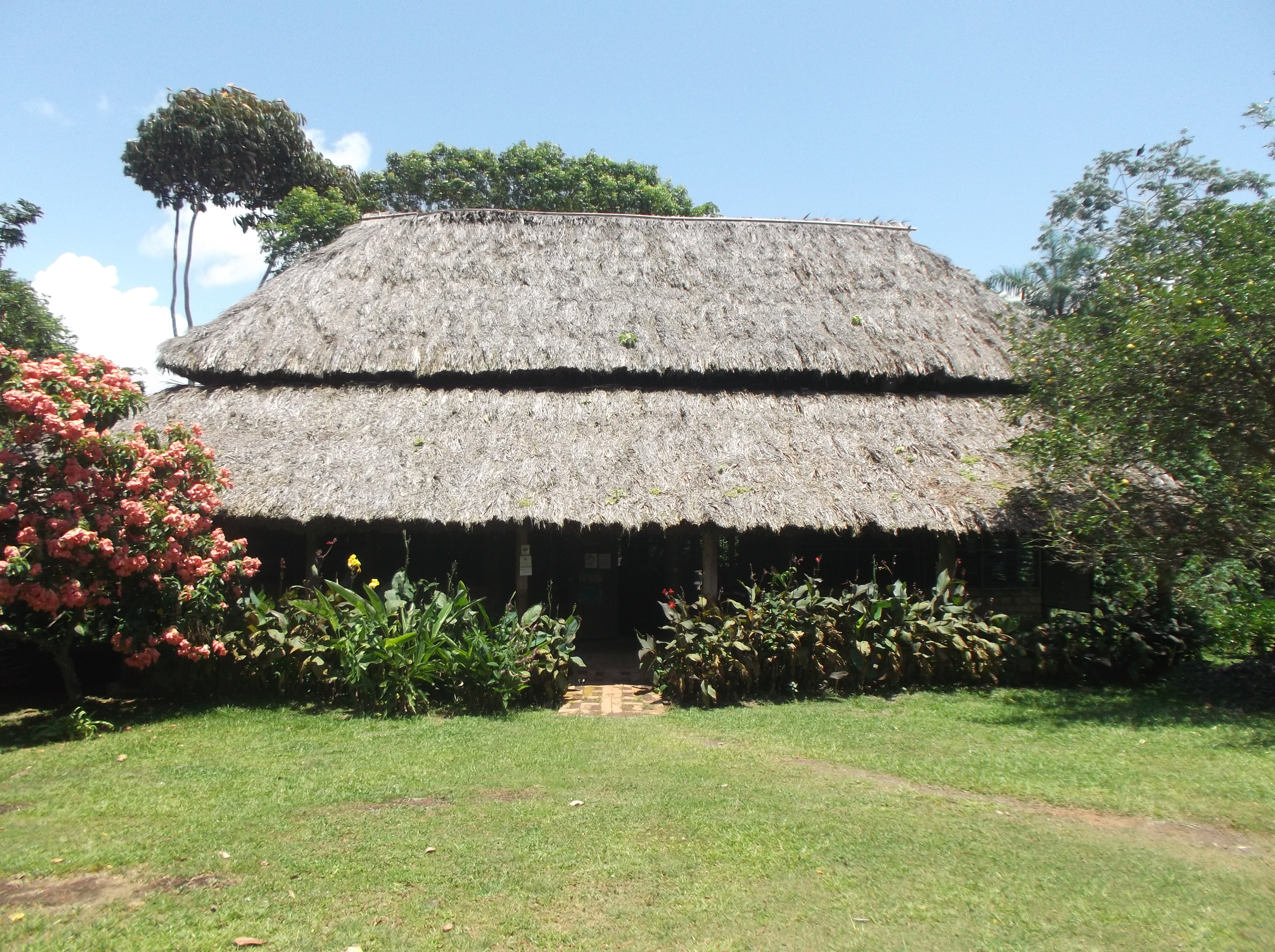 Based on rec
ently completed fieldwork, this paper examines local perceptions and ontolo
gies of climate change among the Makushi in Yupukari village in the Rupunun
i region of Guyana. This year has seen unprecedented flooding of farms in Y
upukari, which has severely disrupted cassava-based agriculture and is attr
ibuted by many to climate change. In addition to flooding, villagers also s
peak of changes in temperature, unpredictable rainfall conditions, ecologic
al alterations, and irregularities in the seasons. For many, traditional su
rvival strategies based on past crises (mostly droughts) are seen as no lon
ger fully addressing climatic and ecological challenges in the present. Thi
s paper will describe local accounts and experiences of these changing cond
itions and will examine their ontological underpinnings. For the Makushi, w
eather phenomena are centered around notions of ownership (involving broade
r leadership) which implicate certain non-human beings. This paper will exp
lore these notions and their contemporary relevance for climate change amon
g the Makushi.
Based on rec
ently completed fieldwork, this paper examines local perceptions and ontolo
gies of climate change among the Makushi in Yupukari village in the Rupunun
i region of Guyana. This year has seen unprecedented flooding of farms in Y
upukari, which has severely disrupted cassava-based agriculture and is attr
ibuted by many to climate change. In addition to flooding, villagers also s
peak of changes in temperature, unpredictable rainfall conditions, ecologic
al alterations, and irregularities in the seasons. For many, traditional su
rvival strategies based on past crises (mostly droughts) are seen as no lon
ger fully addressing climatic and ecological challenges in the present. Thi
s paper will describe local accounts and experiences of these changing cond
itions and will examine their ontological underpinnings. For the Makushi, w
eather phenomena are centered around notions of ownership (involving broade
r leadership) which implicate certain non-human beings. This paper will exp
lore these notions and their contemporary relevance for climate change amon
g the Makushi.
Illustration : Yupu
kari Village, Guyana. © James Whitaker
DTSTAMP:20260531T184942
DTSTART;TZID=Europe/Paris:20211015T153000
DTEND;TZID=Europe/Paris:20211015T173000
SEQUENCE:0
TRANSP:OPAQUE
END:VEVENT
END:VCALENDAR