
The
These are some of the questions that this symposium loo
ks to investigate at a time when there is so much clamour from progressive
thinkers and activists to abandon the past and imagine the future, to leap
beyond the nightmare of the long twentieth century – the one that seems so
impossible to exit, that weights on the minds of the living like a tumour.
But what if the future was already in the past, lurking radioactively in ro
ads not taken, in failed appointments and missed opportunities? Perhaps art
ists, of all people, are the ones most keenly attuned to this disjunction,
aware, as they often are, that there is nothing new under the sun, that eve
rything is a recycling of something else.
If this is the case, then it seems crucial to explore how co
ntemporary artists engage with the idea of re-playing, talking with them ab
out their practices, experimenting with their diverse findings. The artists
and thinkers in the symposium have little truck with modernist and colonia
list notions of ‘originality’ – a kind of scorched earth policy, a spurious
, imperialist venture into terra nullius. Instead, they look to re-play the
past, stopping and stilling it, so that new possibilities can emerge from
the ‘shock of the old’. In this ethics of ruin, this politics of abandonmen
t, it may become possible to reconfigure how we ‘do’ the present so as to c
ontest the progress myths of modernity and imperialism. This would be a per
verse and playful mode of contestation that moves forward by going backward
s. In this ‘tactics of the re-play’, one uncovers the power to resist all t
hose reactionary notions of heritage and history that look to attribute eve
rything to its proper time and place. And through that – who knows? – it ma
y even be possible to breathe new life into that most seemingly defunct of
all concepts: the idea of revolution, conceived now as a geometric figure t
hat, like a compass, creates the new by rotating back on itself, coming ful
l circle.
Artists and think
ers who will be responding to these questions and showing work include Gera
rd Byrne, Delafontainetniel, La Compagnie Dodescaden, Sarah Browne, Conor C
arville, Minty Donald and Nick Millar, Graham Eatough, Ashanti Harris, Luke
Fowler, Lee Hassall, Emmanuel Grimaud, Kevin Leomo, Sarah Neeley, Vincent
Rioux, Farah Saleh, and Simon Starling.
Symposium organised by Carl Lavery, Dominic Paterson and Melanie La very.
Panel Descriptions
Replaying Lostness –
Wed 15 May, 16.00- 21.00 (Cinema)
This panel explores the relationship between re-playing an
d film. Luke Fowler and Sarah Neely discuss Luke’s film Being in a Place in
the context of what it means to re-play an unmade film project by Margaret
Tait; and Emmanuel Grimaud investigates how film is able to re-play the gh
osts and spectres of forgotten lives (historical and metaphysical) in the c
ity of Kolkota. The panel is bookended by Kevin Leomo’s new sonic piece, So
und space, based on a re-siting and rethinking of the German Klangraum, an
annual gathering of artists who participate in daily sharings of their work
. Kevin’s piece will return throughout the Symposium, but always in a diffe
rent form.
Re-Playi
ng Bodies and Gestures – Thursday 16 May, 9.30 – 14.15
This panel starts with a performance l
ecture by scholar, choreographer and dancer, Farah Saleh in which she think
s of how one can re-play an archive of lost Palestinian gestures. Artist Si
mon Starling and theatre maker Graham Eatough continue the theme by constru
cting a playful dialogue to reflect on a series of theatrical re-enactments
they have worked on together in past decade or so; and Lee Hassall perform
s a strange, ekphrastic hommage to Dorothy Wordsworth’s 1803 text, Recollec
tions of a Tour Through Scotland.
Re-Playing Beckett – Thursday 16 May, 15.00- 18.00
This panel investigates the
perennial appeal that Samuel Beckett has for contemporary visual artists a
nd film-makers. Gerard Byrne premieres a new work based on Beckett’s plays,
Conor Carville provides a critical introduction to Beckett’s relationship
with visual art, and Sarah Browne reflects on how Beckett’s texts can be re
purposed for non-neurotypical modes of sensing with reference to her public
art project Echo’s Bones.
Re-Playing the City – Friday 17 May, 9.30-12.30
This panel asks what does it mean to
re-play a city? The architect-artists delafontainetneil respond to the prov
ocation by creating a short, time-lapse film in which two very different im
ages of Paris are juxtaposed in the single time-space of the screen. By con
trast, Minty Donald and Nick Millar seek to re-play the city of Glasgow by
encouraging participants to engage in a process of ‘re-scoring’, a method b
ased on the performance ‘scores’ of avant-garde practitioners from the 1950
s onwards.
Re-Playi
ng Dance – Friday 17 May, 14.30 – 16.00
This panel consists of two dance performances that en
gage with the idea of re-playing in different ways. Ashanti Harris extracts
a segment from her dance work Dancing a Peripheral Quadrille for the physi
cal space of the CCA and in the premiere of Jellyselfish, the Marseille-bas
ed company Dodescaden re-work their previous re-rendering of Jean Rouch’s 1
955 film Les Maîtres Fous.
Re-playing the Re-play – Saturday, 18 May, 9.30 – 13.00
This panel starts with a perf
ormance lecture by French artist Vincent Rioux, which meditates on the func
tion of entropy in In Absensia, a previous collaboration with La Compagnie
Dodescaden. Rioux’s ‘re-playing of a re-play’ is continued in a specially c
urated discussion led by the organisers in which all participants (artists
and audience) in the ‘Re-Play It Again’ symposium are invited to return to
any theme or image that enthused them and to re-play it in present time. Th
e panel ends with Kevin’s Leomo’s sonic score.Cinema Film Loop – 16 and 17 May
There will be a selection of films pla
ying on loop in cinema on 16 and 17 May. These are free.
;
X-ALT-DESC;FMTTYPE=text/html:
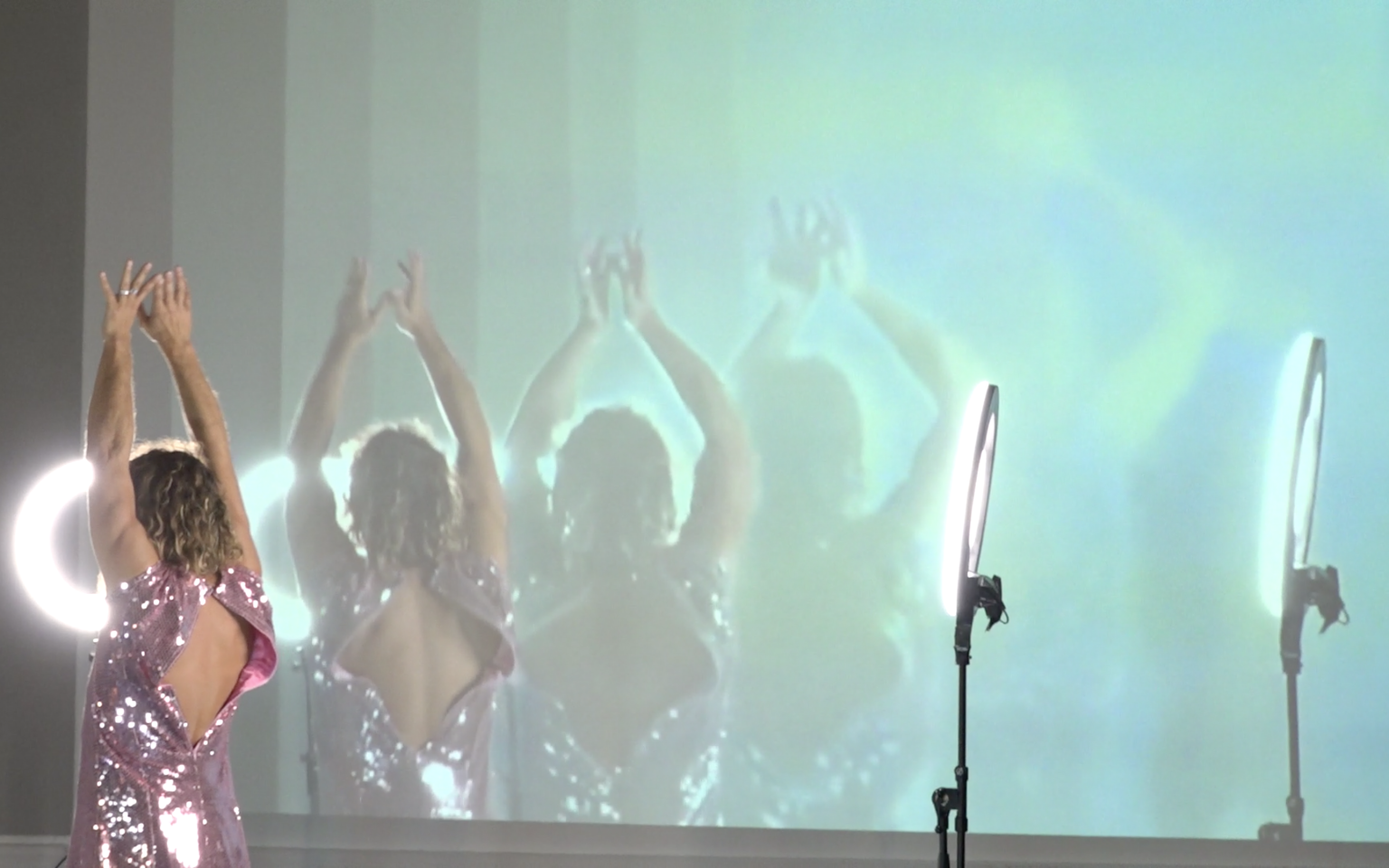
The Re-playing It Again symposium i s the culmination of a 4 year research project led by Baptiste Buob, Christ ophe Triau, Carl Lavery and Nathalie Cau and is part of a larger Labex rese arch programme, Les Passés dans le présent :< strong> (Re)play it again : reenactments et non-reconstituables.
What does it mean to re- play something – an event, a film, a history, a politics, a building, a bod y, a set of gestures, an earth, a life, a landscape? Why the hyphen in the word ‘re-play’? How does re-playing co-exist with established strategies of re-enactment? Where does the difference lie? And why are artists so drawn to re-playing as both method of working and catalyst for production?
These are some of the questio
ns that this symposium looks to investigate at a time when there is so much
clamour from progressive thinkers and activists to abandon the past and im
agine the future, to leap beyond the nightmare of the long twentieth centur
y – the one that seems so impossible to exit, that weights on the minds of
the living like a tumour. But what if the future was already in the past, l
urking radioactively in roads not taken, in failed appointments and missed
opportunities? Perhaps artists, of all people, are the ones most keenly att
uned to this disjunction, aware, as they often are, that there is nothing n
ew under the sun, that everything is a recycling of something else.<
br />
If this is the case, then it seems
crucial to explore how contemporary artists engage with the idea of re-pla
ying, talking with them about their practices, experimenting with their div
erse findings. The artists and thinkers in the symposium have little truck
with modernist and colonialist notions of ‘originality’ – a kind of scorche
d earth policy, a spurious, imperialist venture into terra nullius. Instead
, they look to re-play the past, stopping and stilling it, so that new poss
ibilities can emerge from the ‘shock of the old’. In this ethics of ruin, t
his politics of abandonment, it may become possible to reconfigure how we ‘
do’ the present so as to contest the progress myths of modernity and imperi
alism. This would be a perverse and playful mode of contestation that moves
forward by going backwards. In this ‘tactics of the re-play’, one uncovers
the power to resist all those reactionary notions of heritage and history
that look to attribute everything to its proper time and place. And through
that – who knows? – it may even be possible to breathe new life into that
most seemingly defunct of all concepts: the idea of revolution, conceived n
ow as a geometric figure that, like a compass, creates the new by rotating
back on itself, coming full circle.
Artists and thinkers who will be responding to these questions and
showing work include Gerard Byrne, Delafontainetniel, La Compagnie Dodesca
den, Sarah Browne, Conor Carville, Minty Donald and Nick Millar, Graham Eat
ough, Ashanti Harris, Luke Fowler, Lee Hassall, Emmanuel Grimaud, Kevin Leo
mo, Sarah Neeley, Vincent Rioux, Farah Saleh, and Simon Starling.
Symposium organised by Carl Lavery, Domin ic Paterson and Melanie Lavery.
Panel Descriptions
Replaying Lostness – Wed 15 May, 16.00- 21.00 (Cinema)
This panel explores the relation
ship between re-playing and film. Luke Fowler and Sarah Neely discuss Luke’
s film Being in a Place in the context of what it means to re-play an unmad
e film project by Margaret Tait; and Emmanuel Grimaud investigates how film
is able to re-play the ghosts and spectres of forgotten lives (historical
and metaphysical) in the city of Kolkota. The panel is bookended by Kevin L
eomo’s new sonic piece, Sound space, based on a re-siting and rethinking of
the German Klangraum, an annual gathering of artists who participate in da
ily sharings of their work. Kevin’s piece will return throughout the Sympos
ium, but always in a different form.
Re-Playing Bodies and Gestures – Thursday 16 May, 9.30 –
14.15
This panel s
tarts with a performance lecture by scholar, choreographer and dancer, Fara
h Saleh in which she thinks of how one can re-play an archive of lost Pales
tinian gestures. Artist Simon Starling and theatre maker Graham Eatough con
tinue the theme by constructing a playful dialogue to reflect on a series o
f theatrical re-enactments they have worked on together in past decade or s
o; and Lee Hassall performs a strange, ekphrastic hommage to Dorothy Wordsw
orth’s 1803 text, Recollections of a Tour Through Scotland.
Re-Playing Beckett – Thursday 16 M
ay, 15.00- 18.00
T
his panel investigates the perennial appeal that Samuel Beckett has for con
temporary visual artists and film-makers. Gerard Byrne premieres a new work
based on Beckett’s plays, Conor Carville provides a critical introduction
to Beckett’s relationship with visual art, and Sarah Browne reflects on how
Beckett’s texts can be repurposed for non-neurotypical modes of sensing wi
th reference to her public art project Echo’s Bones.
This panel
asks what does it mean to re-play a city? The architect-artists delafontain
etneil respond to the provocation by creating a short, time-lapse film in w
hich two very different images of Paris are juxtaposed in the single time-s
pace of the screen. By contrast, Minty Donald and Nick Millar seek to re-pl
ay the city of Glasgow by encouraging participants to engage in a process o
f ‘re-scoring’, a method based on the performance ‘scores’ of avant-garde p
ractitioners from the 1950s onwards.
Re-Playing Dance – Friday 17 May, 14.30 – 16.00
This panel consists of two
dance performances that engage with the idea of re-playing in different way
s. Ashanti Harris extracts a segment from her dance work Dancing a Peripher
al Quadrille for the physical space of the CCA and in the premiere of Jelly
selfish, the Marseille-based company Dodescaden re-work their previous re-r
endering of Jean Rouch’s 1955 film Les Maîtres Fous.
Thi
s panel starts with a performance lecture by French artist Vincent Rioux, w
hich meditates on the function of entropy in In Absensia, a previous collab
oration with La Compagnie Dodescaden. Rioux’s ‘re-playing of a re-play’ is
continued in a specially curated discussion led by the organisers in which
all participants (artists and audience) in the ‘Re-Play It Again’ symposium
are invited to return to any theme or image that enthused them and to re-p
lay it in present time. The panel ends with Kevin’s Leomo’s sonic score.
Cinema Film Loop – 16
and 17 May
There will b
e a selection of films playing on loop in cinema on 16 and 17 May. These ar
e free.
< /span> DTSTAMP:20261017T091231 DTSTART;TZID=Europe/Paris;VALUE=DATE:20240515 DTEND;TZID=Europe/Paris;VALUE=DATE:20240519 SEQUENCE:0 TRANSP:OPAQUE END:VEVENT END:VCALENDAR